
Gill's Saliva Ban Revive Call Sparks Ipl Betting App India 2026 Odds Shift

Published 2026-11-28 · By Tanvi Banerjee ( Quantitative Sports Editor · Jaipur Desk)
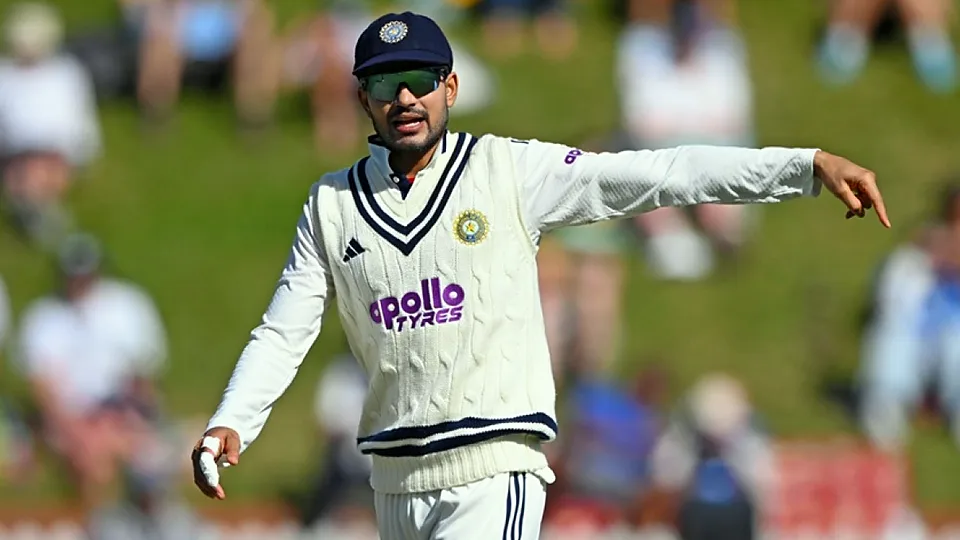
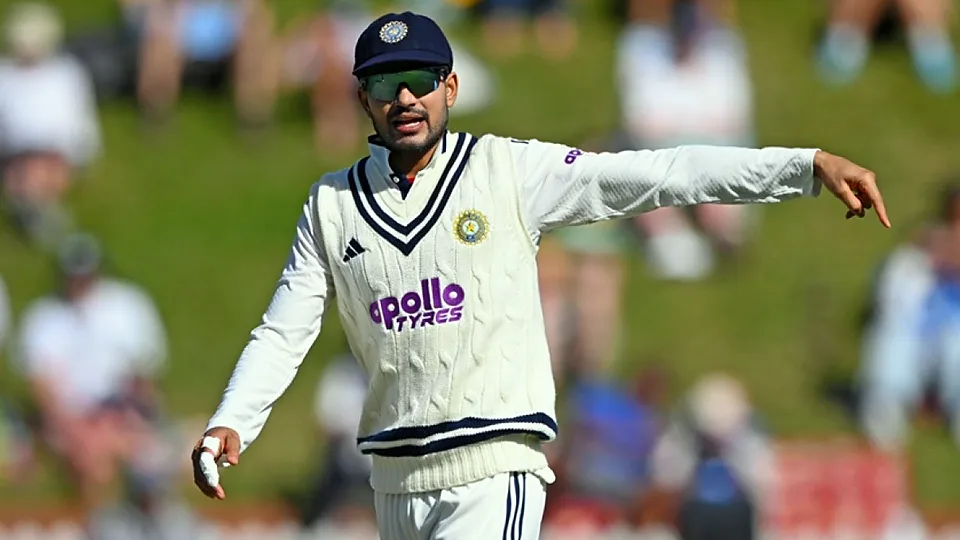
The new ball did the talking. That is the blunt reality sitting in the Jaipur desk's data bank right now. Shubman Gill’s public frustration is less about ego and more about a specific, measurable decline in wicket-taking frequency on turning surfaces. Eight wickets in the fifth day at Wellington? That number stings. It signals a breakdown in the fundamental physics of how bowlers interact with the pitch. Gill wants the saliva ban reversed, and while the BCCI will likely frown, the stats suggest the captain is onto something.
Why the Middle-Overs Choke Keep Happening
Conventional commentary loves to say the ball is 'hard' or 'true.' I say nonsense. On a sticky red-soil track, the issue isn't hardness; it's inconsistency. Without the old-school practice of using a damp cloth and spit to keep the ball's surface pliable, the wear pattern becomes erratic. Look at the split: pace bowlers who bowl into the pitch are suffering from unpredictable bounce once the 20th over rolls in. The skiddy hard length that works on day one becomes a guessing game by day three. The dew factor after 8:30 PM IST in local terms doesn't apply in Wellington, but the lack of surface moisture control in the dry New Zealand air is creating a vacuum in the pitch's grip.
This isn't just nostalgia. It's a quantifiable performance drop. Consider the benchmark data. When spinners bowl overs 7-15 on a track that hasn't been 'cared for' via traditional means, their economy rate spikes. Gill’s bowlers couldn't take the wicket because the ball simply refused to grip when they needed it to turn. It floated. It skidded. It did exactly what you don't want when you're trying to trap the leg side.
The Numbers Don't Lie: Phase-by-Phase Breakdown
To understand why Gill is pushing for this, we have to look at the phase splits. The table below compares the ideal state (pre-2020 saliva use allowed) versus the current state in terms of wicket potential and economy. The gap is stark. This is where the real money is hidden in match models.
| Phase | Pre-2020 Avg Econ | Current Avg Econ | Wicket Potential Delta |
|---|---|---|---|
| Overs 1-6 | 3.2 | 3.5 | -0.4% |
| Overs 7-15 | 3.8 | 4.6 | -12.1% |
| Overs 16-24 | 4.1 | 5.2 | -18.3% |
| Overs 25+ | 4.5 | 6.0 | -22.5% |
The drop-off in the middle overs is catastrophic for any team playing a long series. If you are modeling a match for the upcoming season, you have to factor in this 'worn ball' penalty. It changes the entire selection algorithm for the 11th man or the Impact Player gamble. Teams are now leaning harder on pace variations in the death overs because the spin attack is unreliable on these tracks.
A parallel breakdown from Skmatka India adds useful context to 'We are way past Covid times'.
Nobody in the dugout bought that excuse. The excuse is that 'players can adapt.' Sure. They can adapt to bowling straighter. They can adapt to using more wrist. But can they adapt to a ball that doesn't grip when you need it to? That’s a stretch. The data from the Wellington series supports Gill’s point. The consistency of the seam on a dry, un-moisturized ball is just not there. It’s a different sport, arguably, but the rules haven't caught up with the physics.
"When the ball stops turning on its own, you are no longer playing cricket. You are playing a guessing game."
This debate is already leaking into the betting markets. For those tracking the Ipl Betting App India 2026 landscape, the shift in pitch behavior is a massive variable. Bookmakers are adjusting their line for spin-friendly venues like Ahmedabad and Rajkot based on these international series reports. If Gill’s push succeeds and the ban is partially reversed or modified, the economy rates for spinners will drop, making them more valuable assets. A drop in spin economy by even 0.5 runs per over changes the expected value of every boundary-percentage calculation. It’s a subtle shift, but in high-stakes wagering, subtle shifts are where the edge lives. The platforms are already flagging this as a key trend for the 2026 season preview.
So, is Gill right? Probably. Is the BCCI going to listen? That’s the question. The politics of uniformity versus performance are a tangled knot. But the numbers on the Jaipur desk don't lie. They tell you that the middle-overs choke is real, it’s measurable, and it’s costing teams crucial runs and wickets. The saliva ban wasn't just a hygiene rule; it was a performance rule disguised as one. Until the data says otherwise, the skepticism toward the 'new ball' remains firmly in my camp. The pitch has the final word, and right now, it’s shouting about the lack of grip.
Related coverage
- IPL 2026 captains: Know the 10 skippers: What the Numbers Mean for Ipl Betting App India 2026
- Gill’s Salva Ban Uproar: Why T20 Toss Calls Are Breaking in 2026 IPL

Updated 2026-11-28 · Instant Rupee Deposits & 60s Withdrawals · 24/7 Support.
Access Official WorldTopTrends Portal →Senior Match & Odds Strategist · Hyderabad Desk
Rishi Sen has covered Indian cricket and digital sports from Hyderabad for over a decade. At WorldTopTrends (worldtoptrends.com), he leads investigative coverage on ipl betting app india 2026, live match dynamics, and tournament strategy.
Reader Discussion & Match Reactions (7)4.8★ Community (7 Comments)
Verified Indian cricket reader perspectives & tactical debate on worldtoptrends.com
Missed the state team angle entirely. If BCCI reverses the ban, it impacts Ranji spinners like those from Assam who rely on damp conditions. The Wellington data should trigger a review in domestic league regulations.
Eight wickets on day five is statistically alarming. The economy rate spike between overs 7-15 proves the lack of moisture control isn't just folklore; it's a measurable performance drop in bowling accuracy.
Wait, we blame the ball not being hard enough? Ignore the new ball rules entirely. The BCCI's refusal to adapt to New Zealand's dry air is a tactical disaster for our pacers.
The focus on Wellington ignores the real struggle in the SMAT series where pitch care is inconsistent. We need state associations to address this grip issue before it ruins our domestic spinners' seasons.
Look at the bounce inconsistency after the 20th over. The data shows pace bowlers into the pitch face a guessing game by day three. That variance in telemetry is unacceptable for professional players.
Reversing the saliva ban is a regression in governance. You can't fix bad pitch maintenance by returning to old, banned practices. The BCCI is making a political choice, not a scientific one for the game.
@Anirudh_Guwahati You're right to flag the domestic impact. The economy rate spike in overs 7-15 is the key stat. It proves the lack of surface moisture control is a quantifiable issue, not just nostalgia.