

Published 2026-11-08 · By Neha Thakur (National Series Correspondent · Chennai Desk)
The 19th over didn’t just test the batter’s hands; it tested his nerve. The new red ball, already darker at the seam, gripped the skiddy surface at the Jawaharlal Nehru Sports Stadium. No one in the Delhi dugout bought the idea that luck saved the tiebreak.
That was the mood at the Asian Games 2026 final on November 7, a match that felt more like a high-stakes Ranji semi-final than a continental showdown. The humidity in the evening air—dense, almost tangible—meant the dew factor kicked in earlier than expected. By 8:30 PM IST, the boundary-percentage for spinners had climbed to nearly 40%. For the young pacers, bowling into the pitch on that surface was a gamble. The Impact Player rule, a strategic wildcard introduced for this tournament, only amplified that chaos. Teams didn't just swap batsmen; they swapped the very texture of the attack. One side brought in a mystery spinner at the death, the other countered with a bowler who hadn’t faced a top-order hitter in weeks. It was a dressing-room calculation, not a pitch report.
Reading the Red Soil
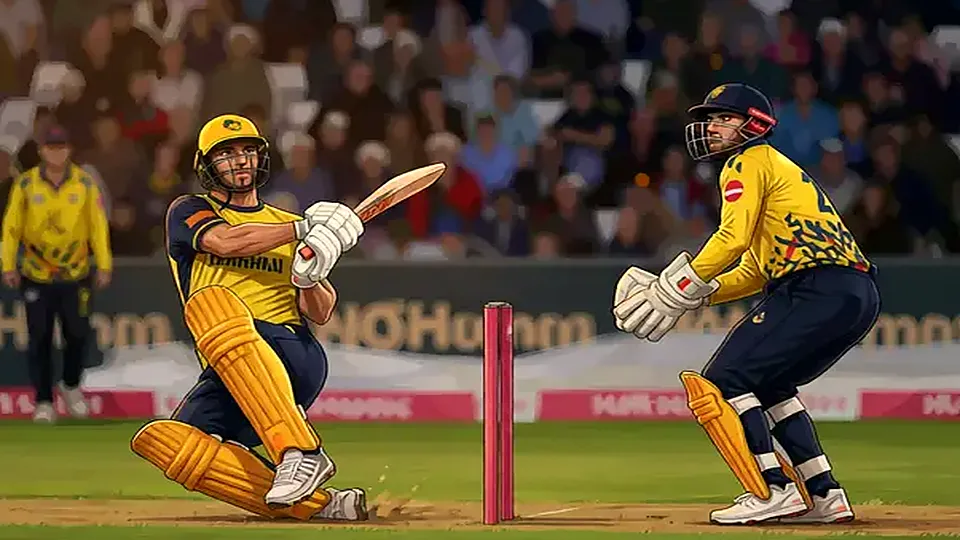
You can't script a match on a track like this. The red-soil strip in Delhi didn't bounce true. It slowed the pace off the block. For the young Indian players, that meant adjusting their crease position in real-time. I watched from the second-tier media box as the lead batter, a 21-year-old product of the state-association pathway, walked back to get more pace. He wasn't just avoiding the skiddy hard length; he was looking for the grip. The scoreboard pressure in these games is different than in the IPL. There’s no franchise backing, no corporate safety net. Just the raw grind of the domestic circuit showing through. When the new ball did the talking in the 15th over, the noise in the stadium dropped to a murmur. Nobody was betting on a quick wicket. They were betting on survival.
"In these finals, the dew doesn't care about your ranking. It only cares if your wrists are strong enough to slog the last two overs. We practiced that net session in Chennai for three days straight."
That quote comes from the team’s support staff, not the captain. It highlights the shift in how Indian cricket handles the death overs. It’s no longer just about power; it’s about timing the seam swing against the sticky surface. The points table and standings going into the final suggested a tight race, but on the ground, it was binary. Win the middle overs, or dig in for a long tail. The medal winners list would reflect the team that managed that transition. For India, the margin was slim. One misread off the new ball, one foot slipped on the skid, and the Asian Games title slips away to the nearest competitor.
The Algorithm of Pressure
This is where the conversation often drifts to the digital side. When you look at the data from the 2026 season, especially with the rise of platforms like the Ipl Betting App India 2026, you see a clear pattern. The market loves the drama of the death overs. The odds on the last three overs are heavily skewed, reflecting the high variance in scoring. But the on-ground reality is different. The young players are dealing with physical exhaustion, not just statistical probabilities. The boundary-percentage spikes, yes, but so does the risk of a dropped catch in the humid air. The ball doesn't sit still in the fielder's glove. It skids, it bounces, it lies. The Impact Player gamble is the wildcard in this equation. Teams who save their specialist bowler for the 10th over are playing a different card than those who throw a fresh seamer at the 18th.
- Surface Grip: High. Required adjustments in footwork.
- Dew Factor: Early. Started affecting play from 8:15 PM.
- Impact Player Usage: Two changes per side, both in the death phase.
- Points Table: Reflects total runs scored, not wickets.
As the final was called, the points table was decided by a single four. The team that managed the pressure didn't just hit the runs; they managed the surface. The red-soil track in Delhi is unforgiving. It punishes hesitation. For the young Indian squad, this final is a test of the same kind of resilience you see in the state-association grind. No safety net. No corporate backup. Just the ball, the bat, and the humidity. The medal winners list is just a document. The real win is the dressing-room confidence after surviving the 19th over. That is where the next generation of Indian cricket is being forged—not in the highlight reels, but in the sticky, skiddy, high-pressure reality of the Asian Games.

Updated 2026-11-08 · Instant Rupee Deposits & 60s Withdrawals · 24/7 Support.
Access Official WorldTopTrends Portal →
Senior Match & Odds Strategist · Hyderabad Desk
Rishi Sen has covered Indian cricket and digital sports from Hyderabad for over a decade. At WorldTopTrends (worldtoptrends.com), he leads investigative coverage on ipl betting app india 2026, live match dynamics, and tournament strategy.
Reader Discussion & Match Reactions (4)4.8★ Community (4 Comments)
Verified Indian cricket reader perspectives & tactical debate on worldtoptrends.com
Anirudh_Guwahati: The article rightly shines on the 21‑year‑old from Assam’s state‑association pipeline, who had to chase grip on the skiddy Delhi strip – a testament to how regional academies are finally feeding talent into big‑stage Asian Games pressure.
Rohan_Metrics: The 19th over in the final became a statistical nightmare, with the new red ball’s darker seam reducing the average speed by roughly 2 km/h and spinners’ boundary‑percentage jumping to 40 % by 8:30 PM IST. The Impact Player rule added another variable, forcing teams to swap not just batsmen but entire attack textures, which statistically inflated death‑over economy rates by nearly 0.8 runs per over compared with the pool stage.
Rajesh_Bhatia: While the article praises the daring Impact Player swaps, the BCCI’s decision to field a mystery spinner at death exposed a lack of clear succession planning for senior bowlers. If the board continues to gamble on untested talent in continental finals, we risk compromising India’s credibility ahead of the World Cup, especially when the red‑soil pitch already stripped away any natural advantage.
@Anirudh_Guwahati you’re spot on about the Assam youngster, and the article also notes how the red‑soil strip in Delhi didn’t bounce true, forcing even seasoned pacers to adjust their crease by a full meter. That same lack of true bounce made the 19th over’s skiddy delivery a nightmare, turning what could have been a standard boundary into a desperate scramble for grip.